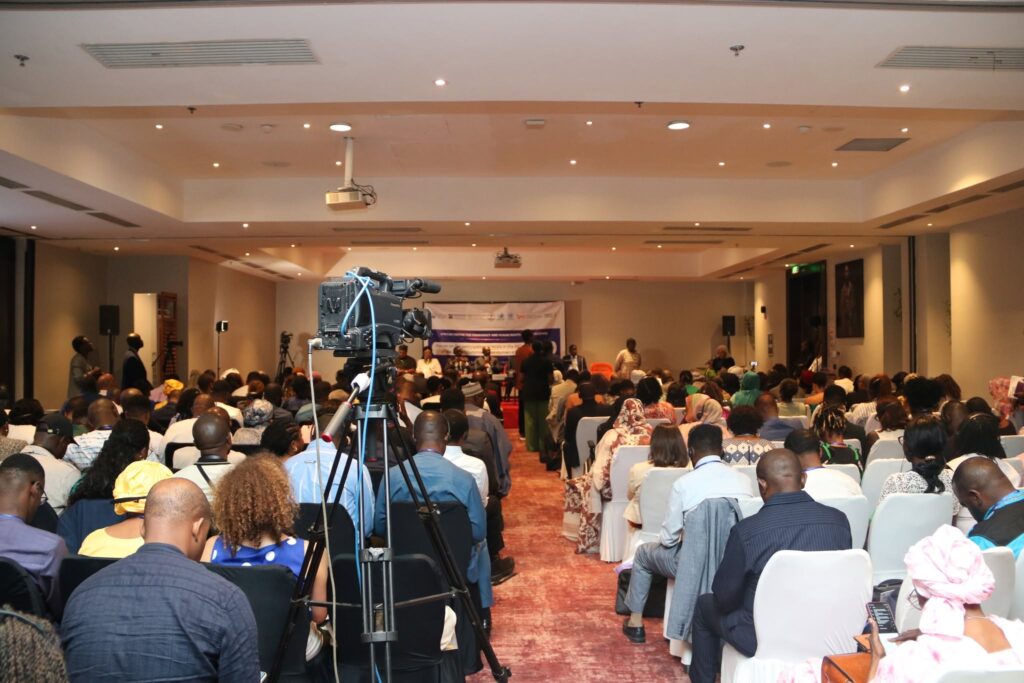
Opening Session, Regional Human Rights Reports and Thematic Panel Discussions
Date: 8 October 2026
Venue: Pullman Dakar Teranga Hotel, Dakar, Senegal
Event: Forum of NGOs Participating in the 89th Ordinary Session of the African Commission on Human and Peoples’ Rights (ACHPR)
Organiser: African Centre for Democracy and Human Rights Studies (ACDHRS)
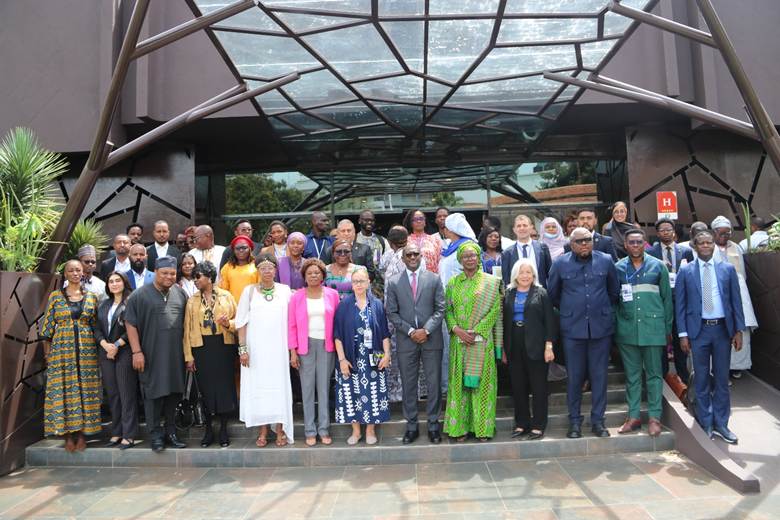
1. Overview of the Day
The first day of the Forum of NGOs Participating in the 89th Ordinary Session of the African Commission on Human and Peoples’ Rights brought together civil society organisations, human rights defenders, African Commission representatives, government officials, national human rights institutions and international partners for discussions on the state of human rights and democracy across Africa.
Organised by ACDHRS, the Forum is being held under the African Union’s 2026 theme, “Assuring Sustainable Water Availability and Safe Sanitation Systems to Achieve the Goals of Agenda 2063.”
The day’s deliberations examined the relationship between water justice, discrimination, shrinking civic space, women’s rights, conflicts, unconstitutional changes of government and democratic governance. Participants repeatedly emphasised that the existence of human rights instruments is not enough; their effectiveness depends on implementation, accountability, adequate resources and the ability of civil society and affected communities to participate freely in public affairs.
The opening session featured statements from ACDHRS leadership, the African Commission, Senegalese human rights institutions, the Ministry of Justice, the United Nations and civil society partners. Subsequent discussions included a regional overview of human rights and democracy, followed by three thematic panels addressing water justice and discrimination, shrinking civic space from an Afro-feminist perspective, and conflicts and unconstitutional changes of government.
2. Opening Session: Renewed Commitment to Human Rights and Collective Action
Ellen Ann, ACDHRS Programme Officer
Ellen Ann, Programme Officer at ACDHRS and lead coordinator of the Forum, welcomed participants to Dakar, the land of Teranga. She described the Forum as more than a meeting, characterising it as a platform where African civil society can exchange experiences, challenge existing approaches and develop collective solutions.
She highlighted the interconnected challenges facing the continent, including climate change, water insecurity, shrinking civic space, governance problems, conflicts and persistent human rights violations. She encouraged participants to ensure that their deliberations would result in practical commitments that could be carried beyond the Forum.
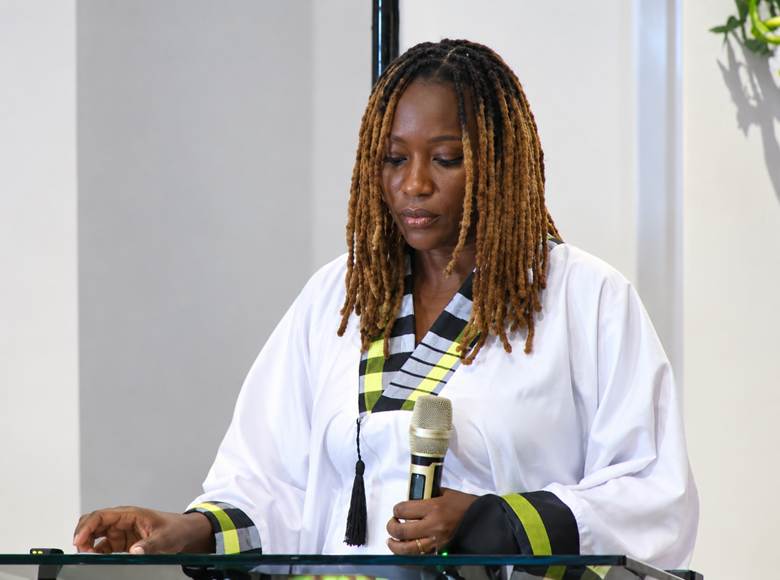
Mrs Hannah Forster, Executive Director, ACDHRS
Mrs Hannah Forster welcomed participants on behalf of ACDHRS and the Forum’s Steering Committee, highlighting the Centre’s role in promoting human rights, democracy and the rule of law since its establishment in 1989.
She explained that ACDHRS supports human rights work through training, research, documentation, advocacy, networking and collaboration. She emphasised the NGOs Forum’s importance as a platform for collective advocacy, allowing civil society organisations to share experiences, articulate common concerns and engage directly with the African human rights system.
Mrs Forster also underscored the relevance of the Forum’s water and sanitation theme, noting that access to safe water and sanitation is connected to human dignity, health, equality, livelihoods, environmental justice and sustainable development.
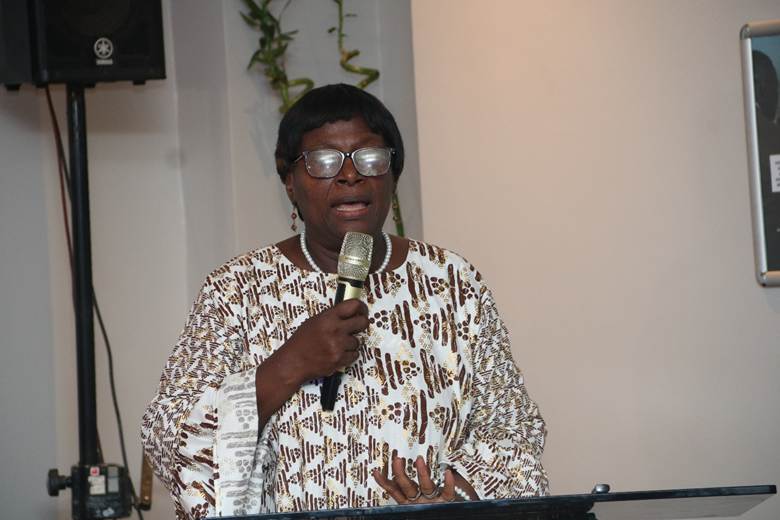
Maximilienne NGO MBE, Steering Committee Member, NGOs Forum
Speaking on behalf of the Forum’s Steering Committee, Maximilienne NGO MBE welcomed participants to Senegal and invoked the spirit of Teranga, highlighting hospitality, shared dignity and African solidarity.
She reflected on the significance of the 40th anniversary of the African Charter on Human and Peoples’ Rights, whose entry into force will be commemorated on 21 October 2026. She called for reflection on the Charter’s implementation and stressed that its principles must translate into tangible improvements in people’s lives.
Her statement linked water insecurity with fundamental rights, pointing to the disproportionate burden borne by women, girls, displaced people, rural populations and marginalised communities. She also highlighted conflicts, electoral challenges, restrictions on civil society and the importance of credible elections and meaningful citizen participation.
She called for stronger cooperation among States, the African Commission and civil society, arguing that human rights defenders and civil society organisations should be recognised as essential partners in Africa’s development.
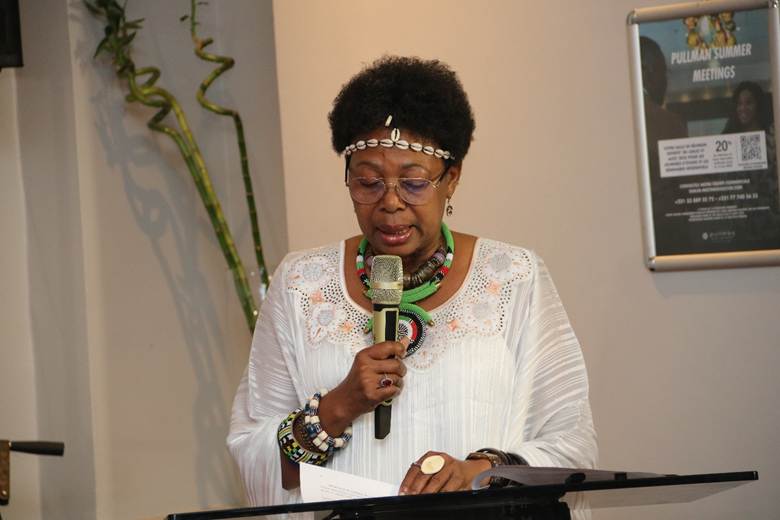
John GBENAGNON, Director of Strategy and Development, RFLD
John GBENAGNON delivered remarks on behalf of the Réseau des Femmes Leaders pour le Développement (RFLD), drawing on his previous experience working with ACDHRS and the NGOs Forum.
He connected the African Charter’s promise of equal rights with the daily experiences of women and girls who spend considerable time collecting water or face barriers to education because of inadequate sanitation facilities.
He highlighted Article 15 of the Maputo Protocol, which addresses women’s access to clean water, and described RFLD’s experience supporting grassroots women’s groups to repair village water pumps. He argued that communities closest to water challenges should have resources and a meaningful role in decisions affecting them.
GBENAGNON also warned that shrinking civic space and online harassment increasingly affect women human rights defenders. He called on the African Commission to examine women’s access to water and sanitation in State reporting and urged continued investment in the protection and funding of women’s rights organisations.
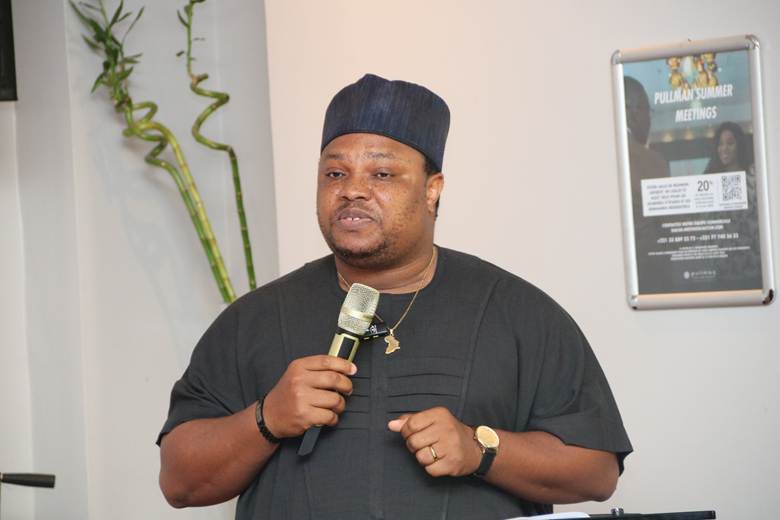
Robert Kotchani, OHCHR West Africa Regional Office
Robert Kotchani stressed that the African human rights system is strengthened when civil society brings the experiences of affected communities directly into regional and international processes.
He highlighted civil society’s role in documenting violations, supporting victims and survivors, submitting evidence, pursuing advocacy and litigation, and monitoring the implementation of recommendations.
He reaffirmed OHCHR’s partnership with ACDHRS and encouraged civil society organisations to make fuller use of both African and United Nations human rights mechanisms. He also highlighted the Addis Ababa roadmap for cooperation between the two systems and called for African civil society’s experience of conflict and its effects on access to water, health, education, housing and livelihoods to inform international human rights standards.
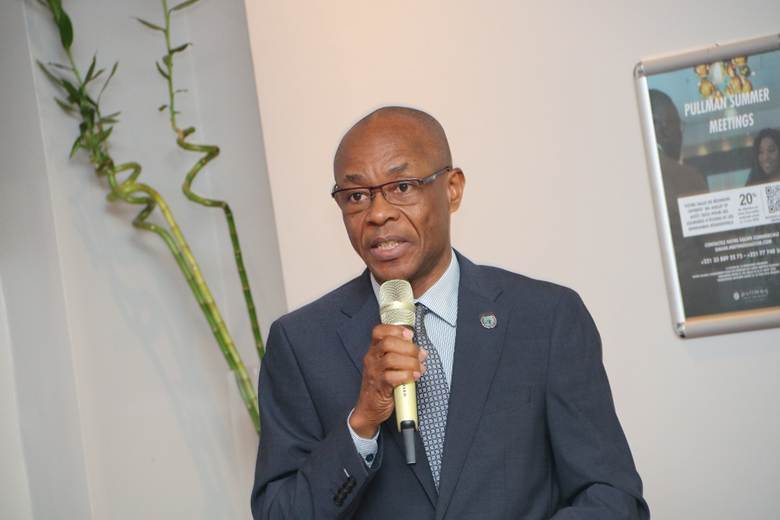
Jacob Seg Ngom, representing Professor Amsatou Sow-Sidibé, President of Senegal’s National Human Rights Commission
Jacob Seg Ngom conveyed the apologies and greetings of Professor Amsatou Sow-Sidibé, President of the National Human Rights Commission of Senegal.
He described the Forum as an important opportunity for dialogue and cooperation at a time when climate change, environmental crises, conflicts, shrinking civic space and barriers to essential services continue to affect human rights.
He highlighted recent flooding in Dakar and other parts of Senegal as a reminder that water management, sanitation and resilient infrastructure are directly connected to the protection of life, health and dignity.
He reaffirmed the National Human Rights Commission’s commitment to cooperation with civil society, the African Commission and international human rights mechanisms, stressing the importance of preserving an open and inclusive civic space.
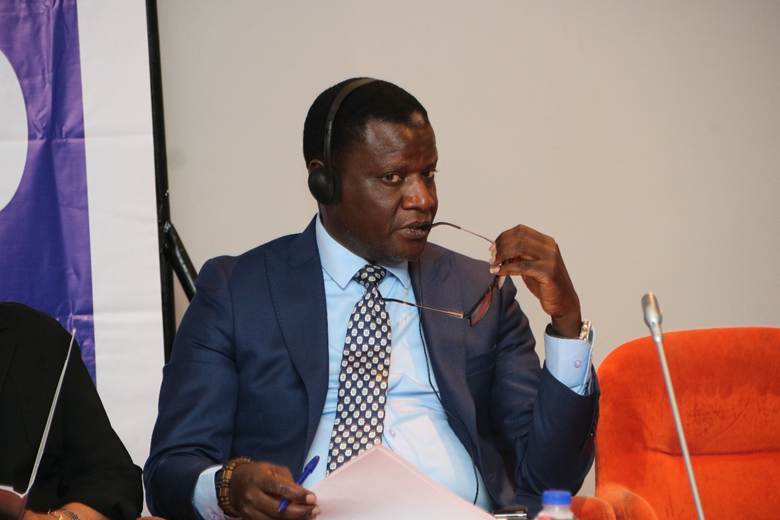
Hon. Justice Solomy Bossa, Chairperson of the ACDHRS Governing Council
Hon. Justice Solomy Bossa called for a collective approach to human rights protection, emphasising that governments and institutions cannot address the continent’s challenges without the sustained engagement of civil society, communities, the media and other stakeholders.
She highlighted concerns including restrictions on freedom of expression and assembly, shrinking civic space, conflicts, displacement and discrimination. She urged participants to ensure that recommendations reach the institutions responsible for implementation and produce measurable improvements in people’s lives.
She also stressed the importance of placing the experiences of women, children, young people, persons with disabilities, indigenous communities, displaced persons, minorities and human rights defenders at the centre of the discussions.
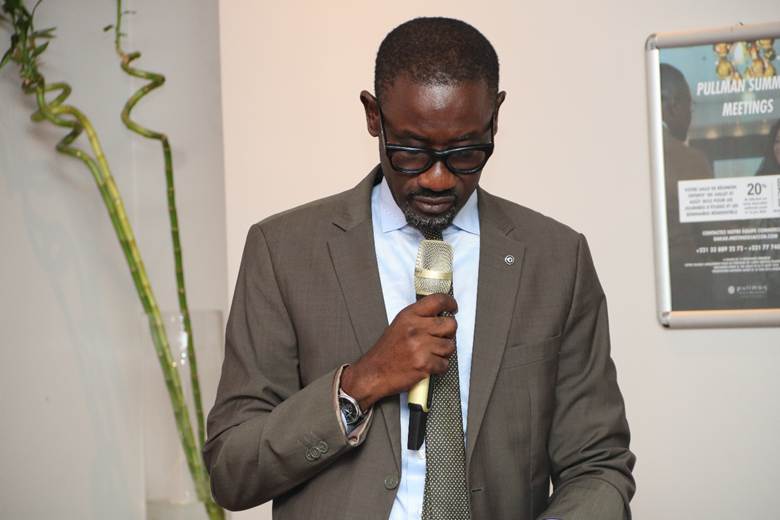
Julien Ngane Ndour, Director of Human Rights, representing Senegal’s Minister of Justice
Representing the Senegalese Minister of Justice, Julien Ngane Ndour officially opened the Forum and emphasised that water is not simply a technical or infrastructure issue. It is connected to dignity, peace, education, equality, development and human security.
He called on States to invest in water and sanitation infrastructure, protect water resources, ensure service quality and guarantee access, particularly for vulnerable populations. He stressed that the success of public policy should be measured by sustained improvements in people’s lives rather than the number of projects announced or inaugurated.
He also highlighted the importance of institutional stability, long-term planning and cooperation between governments and civil society. Referring to Senegal’s national water consultations in 2024, he noted the value of involving civil society in shaping water policy and called for its participation in policy design, implementation and evaluation.
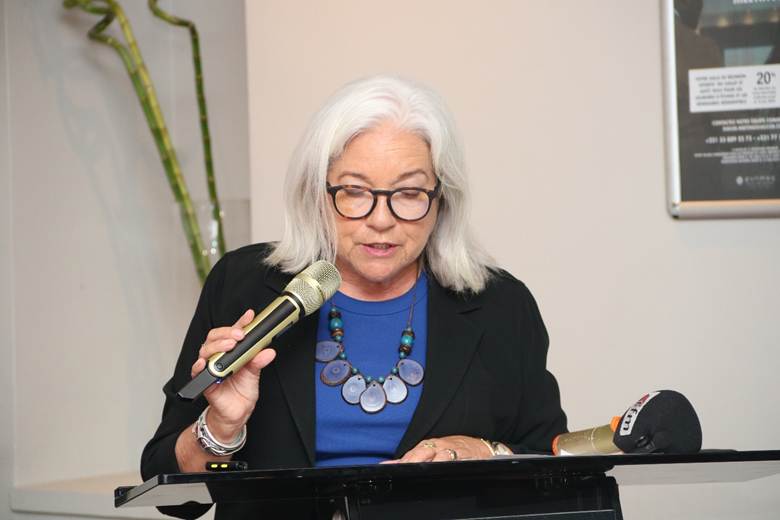
Barrie Lynne Freeman, Deputy Special Representative of the UN Secretary-General for West Africa and the Sahel
In her solidarity statement, Barrie Lynne Freeman highlighted the close relationship between human rights, sustainable development, democratic governance and climate resilience.
She noted that drought, flooding and water scarcity can worsen existing vulnerabilities and intensify tensions between communities. She emphasised that equitable and sustainable water management is both a development priority and an investment in conflict prevention and peacebuilding.
Freeman also expressed concern about the challenges facing civil society and human rights defenders, including harassment, criminalisation, digital surveillance and restrictions on freedom of expression, association and assembly. She reaffirmed UNOWAS’s commitment to working with civil society and welcomed Senegal’s initiative to institutionalise an annual dialogue between the Ministry of Justice and civil society organisations.
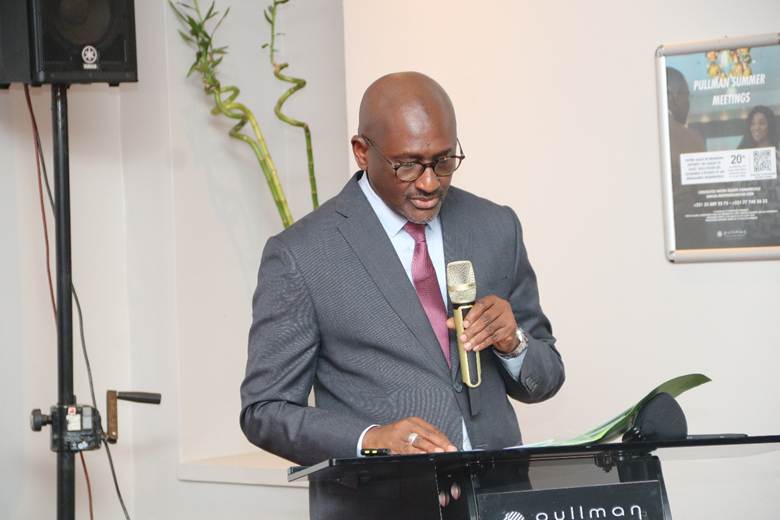
Hon. Commissioner Idrissa Sow, Chairperson of the African Commission on Human and Peoples’ Rights
In his opening statement, Idrissa Sow welcomed participants to Senegal and congratulated ACDHRS, the Forum’s Steering Committee and partner organisations for sustaining a platform for dialogue between African civil society and regional human rights institutions.
He emphasised the significance of the African Charter’s 40th anniversary, calling for an assessment of the achievements, weaknesses and implementation gaps of the African human rights system. He stressed that the Charter’s true value must be measured by its impact on the lives of the people whose rights it guarantees.
Sow warned of continuing threats against human rights defenders, including intimidation, arbitrary arrest, abusive prosecution, violence, digital surveillance and reprisals against those cooperating with human rights mechanisms. He also highlighted the challenges posed by armed conflicts, forced displacement, unconstitutional changes of government, discrimination, poverty and barriers to justice.
He drew attention to emerging issues arising from climate change, digital transformation and artificial intelligence, including privacy, surveillance, access to information and algorithmic discrimination. He called for rigorous documentation of violations, practical recommendations and stronger cooperation among the African Commission, national human rights institutions, civil society and States.
He formally declared the Forum open.
3. Regional Overview: Human Rights and Democracy Across Africa
Session: Overview and Update on the Situations of Human Rights and Democracy in Africa — Sub-Regional Focal Points Reports
Moderator: John GBENAGNON, Director of Strategy and Development, RFLD
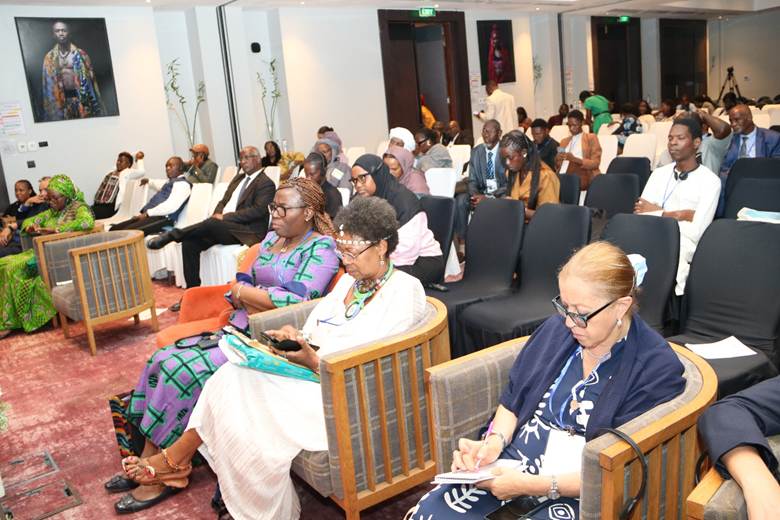
The regional reporting session brought together focal persons covering Central, Eastern, Northern, Western and Southern Africa, alongside the Lusophone Network. The reports highlighted the continuing pressures on civic space, human rights defenders, democratic institutions and vulnerable communities.
Central Africa — Marcel Mani Epee
Marcel Mani Epee reported that the realisation of Agenda 2063 is closely linked to human rights protection, good governance, gender equality, peace and security. He highlighted the effects of armed conflict, forced displacement, political crises, unconstitutional changes of government and climate change on access to water, sanitation and other essential services.
He drew particular attention to the risks faced by human rights defenders, journalists, environmental activists and women defenders, including threats, intimidation, arrests, prosecution and gender-based violence. He also highlighted the relationship between inadequate water and sanitation facilities and the increased risk of harassment and sexual violence against women and girls.
His recommendations included stronger protection mechanisms for defenders, effective implementation of the Maputo Protocol, meaningful participation by women in water governance, continuity of essential services during political crises and cross-border cooperation in managing shared water resources.
Western Africa — Melanie Kombate
Melanie Kombate described a worrying human rights and security environment across West Africa, marked by terrorist attacks, kidnapping, political instability and restrictions on civic space.
Her report highlighted challenges affecting civil society organisations and defenders, including restrictive regulations, organisational suspensions, arrests, forced disappearances, attacks on journalists and restrictions on public demonstrations. She also raised concerns about the pressures facing women defenders, lawyers, activists and marginalised populations.
She called for solidarity among civil society organisations, the release of arbitrarily detained defenders, accountability for disappearances and stronger compliance with the African Charter. The discussion also emphasised the need to protect the independence of civil society and ensure that security measures do not become a justification for suppressing fundamental freedoms.
Eastern Africa — Walda Keza Shaka
Walda Keza Shaka highlighted serious concerns affecting the Eastern African and Horn of Africa region, including arbitrary arrests, enforced disappearances, torture and ill-treatment, attacks on human rights defenders and restrictions on media freedom and peaceful assembly.
She also emphasised the importance of accountable institutions, the rule of law and safe political participation. Her recommendations called for independent investigations into alleged violations, effective remedies for victims, protection for defenders and stronger African Commission monitoring of the sub-region.
She further stressed the importance of protecting digital rights through privacy safeguards, rights-based governance, accountability and affordable internet access.
Southern Africa — Cathy Elando Kodiemoka
Cathy Elando Kodiemoka presented concerns about civic space and democratic governance in Southern Africa, including restrictions on freedom of expression and peaceful assembly, surveillance, harassment and violence against defenders and activists.
Her report also addressed constitutional and electoral developments, regulatory pressures on civil society, violence against community activists and concerns affecting migrants, refugees and asylum seekers. She stressed the importance of monitoring legislative changes, strengthening regional solidarity and ensuring that civil society organisations work collectively rather than in isolation.
In the discussion, she encouraged civil society actors to use regional human rights mechanisms, contribute to public consultation processes and coordinate their advocacy around constitutional and legislative reforms.
Northern Africa — El Filali Hammadi
The Northern African report highlighted challenges involving freedom of peaceful assembly and association, restrictions on civic activities, the treatment of migrants and asylum seekers, and risks facing human rights defenders.
The discussion drew attention to concerns in countries including Libya, Morocco, Mauritania and Tunisia. These included abuses against migrants and asylum seekers, obstacles to civil society organising, threats against anti-slavery activists and administrative or judicial pressure on human rights organisations.
The report reinforced the need for regional monitoring, accountability, protection of defenders and the effective application of international and African human rights standards.
Key messages from the regional reports
Across the sub-regional presentations, participants stressed that human rights violations are interconnected with weak governance, conflict, restrictions on civic participation and unequal access to essential services. The discussion also highlighted the need to maintain human rights monitoring regardless of a country’s political or institutional status within regional bodies.
Participants called for stronger solidarity among defenders, better documentation of violations, the protection of vulnerable groups and more effective use of the African Commission’s mechanisms, including State reporting and civil society submissions.
4. Inaugural Panel: From Exclusion to Equal Participation — Advancing Water Justice and Democratic Inclusion for Communities Discriminated on Work and Descent in Africa
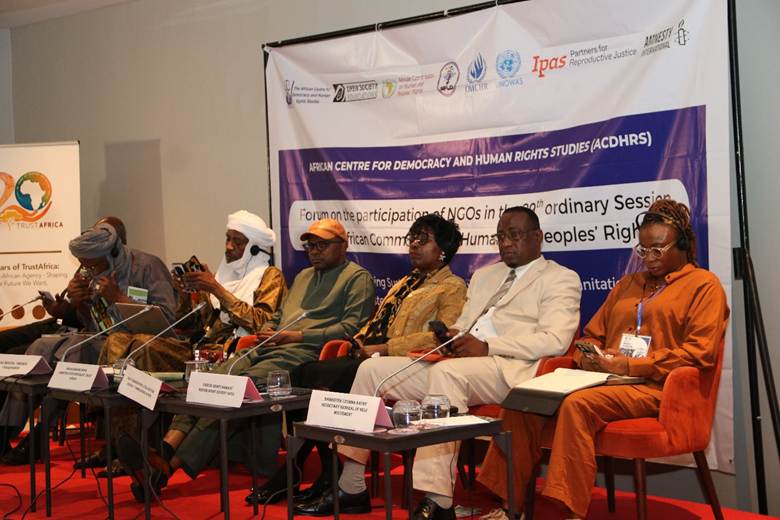
Moderator: Abdarahmane Wone, Communication Specialist, TrustAfrica
Panelists: Hon. Commissioner Litha Musyimi Ogana; Dr. Moussa Zangaou; Ibrahim Ag Idbaltanat; Barrister Uzumma Kathy; Chieck Sidati Hamady; and Brahim Bilal Ramdhane.
The inaugural panel explored how discrimination based on work and descent affects communities’ access to water, sanitation, public services and participation in decision-making.
Hon. Commissioner Litha Musyimi Ogana
Commissioner Ogana explained the African Commission’s work to recognise and address discrimination against communities based on work and descent. She referred to the role of Article 2 of the African Charter in prohibiting discrimination and described the Commission’s efforts to improve understanding of these communities’ experiences.
She highlighted the Commission’s resolution on the issue, including the call for a continental study and the importance of involving traditional leaders in addressing discriminatory cultural practices. She stressed that policies and legal instruments must be accompanied by practical interventions that improve people’s lives.
Drawing on a visit to a marginalised community in Niger, she described how the construction of a borehole by the organisation Timidria had helped improve access to water and changed the community’s circumstances. She encouraged civil society organisations to identify excluded communities in their own countries and pursue practical water-access initiatives.
Ibrahim Ag Idbaltanat and the experience of Timidria
The discussion drew on the experience of Timidria in Niger to show how discrimination based on ancestry can influence decisions about where water infrastructure is located and which communities benefit from public services.
The panel highlighted how communities excluded from planning processes may be left without boreholes even when government programmes report infrastructure development in their wider areas. Women, children and older people can consequently be forced to travel long distances to obtain water.
The central message was that water justice requires more than constructing infrastructure: planning, allocation and management must be transparent, equitable and inclusive.
Chieck Sidati Hamady
Chieck Sidati Hamady highlighted inequalities affecting communities discriminated against based on work and descent, including the Haratin community in Mauritania. His contribution drew attention to disparities in education, representation, access to essential services and participation in public life.
He emphasised the importance of recognising and documenting these forms of discrimination, collecting reliable information and ensuring that affected communities are represented in decision-making processes. He called for equal access to public services and stronger monitoring by African institutions and civil society.
Brahim Bilal Ramdhane
Brahim Bilal Ramdhane stressed that access to water is a matter of justice, dignity and equality, particularly for communities that have historically experienced exclusion.
He connected water insecurity with broader inequalities in education, health, housing, employment and infrastructure. His contribution reinforced the importance of ensuring that marginalised communities are recognised as full participants in development and governance, rather than remaining excluded from decisions affecting essential resources.
Broader discussion and recommendations
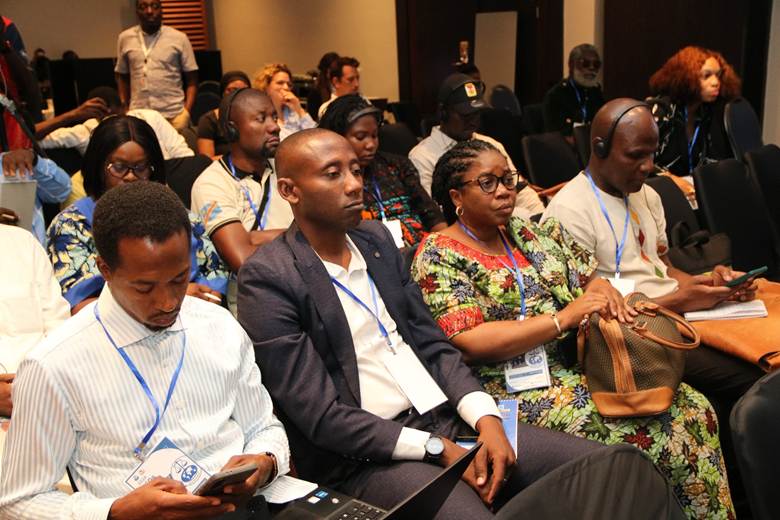
The discussion emphasised that discrimination based on work and descent is not limited to social status; it can determine access to basic services and political representation. Participants also highlighted the need to consider intersecting forms of discrimination affecting women, children, older people and persons with disabilities within already marginalised communities.
The panel called for stronger recognition of affected communities, inclusive water planning, community participation, practical grassroots interventions and continued engagement with the African Commission.
5. Panel One: An Afro-Feminist Reading of Shrinking Civic Space
Topic: What does an Afro-feminist reading of shrinking civic space tell us about protecting freedom of expression, association and assembly in Africa, and what practical steps can States and the ACHPR take to defend those freedoms?
Moderator: John GBENAGNON, Director of Strategy and Development, RFLD
Panelists: Commissioner Janet Sallah Njie, Omolara Balogun, Naji Moulay Lahsen and Bathor Seck.
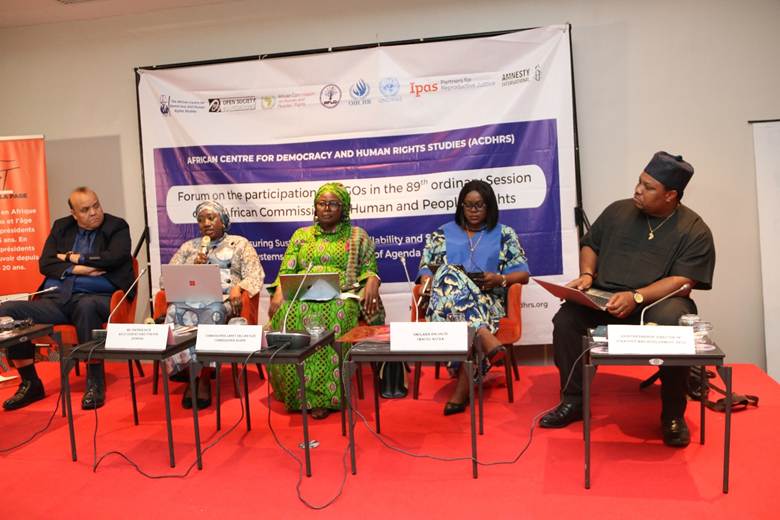
The panel examined how restrictions on civic space affect women human rights defenders, feminist organisations, journalists and other civil society actors. It explored how formal legal restrictions interact with patriarchal attitudes, gender-based violence, digital harassment and the misuse of judicial processes.
Commissioner Janet Sallah Njie
Commissioner Njie stressed that gender must be integrated into the African Commission’s work on civic space rather than treated as a separate issue. She called for the Commission and States to examine how women defenders experience intimidation, sexualised threats, online harassment, organisational deregistration and the withdrawal of resources.
She encouraged stronger collaboration between the Commission’s special mechanisms and called for a feminist perspective in monitoring, reporting and protection efforts. She also urged civil society organisations to make greater use of the Commission’s instruments and procedures.
Omolara Balogun
Omolara Balogun highlighted how patriarchy and restrictive legal practices can undermine women’s participation in public life, even where regional instruments protecting women’s rights already exist.
She noted that strategic litigation and repeated legal proceedings can become burdensome tools against women defenders, particularly those with limited resources and family responsibilities. She called for a gender-sensitive analysis of laws and policies that restrict civic activity.
She also emphasised collective organising, shared resources, collaboration among women-led organisations and joint fundraising as important ways to sustain civil society work in a difficult funding environment.
Naji Moulay Lahsen
Naji Moulay Lahsen linked shrinking civic space to conflict, security policies and political developments in the Sahel and other parts of Africa. He described how women defenders, journalists and lawyers can face pressure from both armed groups and State authorities.
He highlighted the gap between the ratification of human rights conventions and their implementation in practice. He also warned about online intimidation and the misuse of artificial intelligence to create fabricated images or content that can expose women defenders to reputational harm and further threats.
His contribution underlined the need for regional cooperation, accountability and practical protection for those working to defend human rights.
Bathor Seck
Bathor Seck brought attention to the realities facing women defenders and women’s rights organisations at community level. The discussion highlighted the need for protection mechanisms that respond to both online and offline threats, as well as adequate resources for feminist organisations and grassroots defenders.
Participants also emphasised solidarity, resilience, collective advocacy and stronger engagement with the African Commission as important ways to sustain civic participation despite growing restrictions.
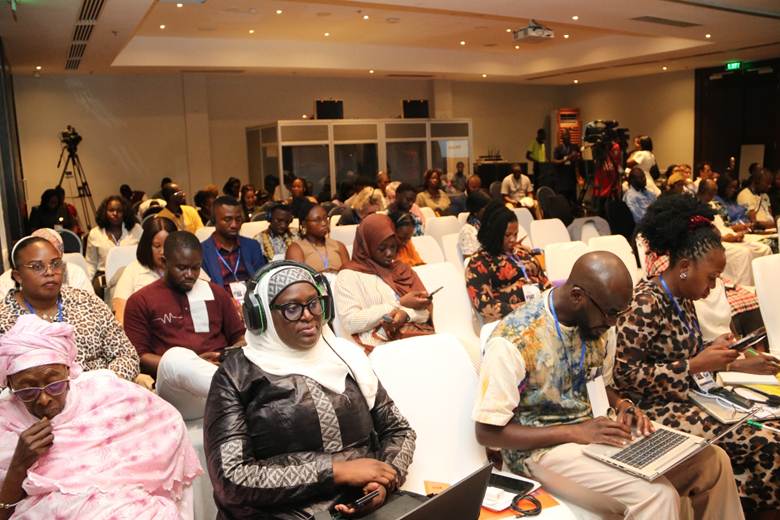
Key recommendations from the panel
The panel called for gender-sensitive monitoring of civic space, stronger protection for women human rights defenders, safeguards against online and offline harassment, and the use of African regional mechanisms to address violations.
Participants stressed that civil society organisations must strengthen collaboration, support emerging activists and share experience across generations. The discussion also reinforced the importance of ensuring that women can express dissent, organise, assemble peacefully and participate in public affairs without intimidation or discrimination.
6. Panel Two: Conflicts and Unconstitutional Changes of Governments — Rethinking Peace, Security and Governance in Africa
Moderator: Halifa Sallah, Former Member of the National Assembly of The Gambia
Panelists: Hon. Amadou Diemdioda Dicko of Burkina Faso, Ali Bouzou of Niger and Ibrahim Agbadalat of Mali.
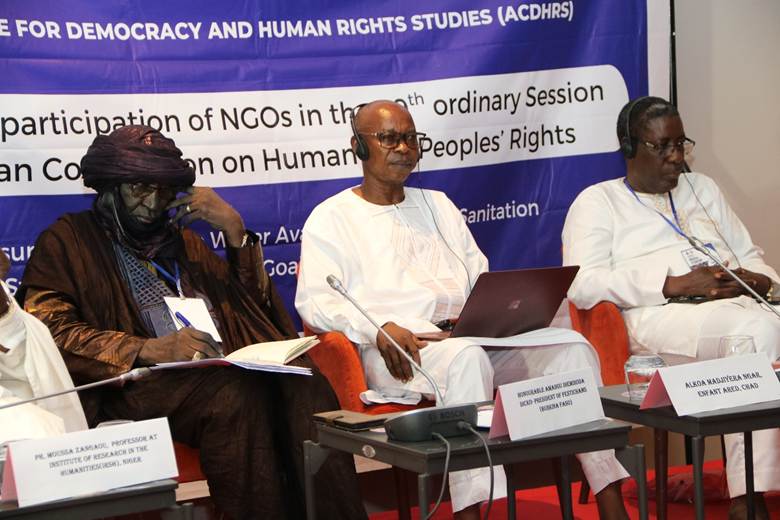
The second thematic panel examined the relationship between conflict, political instability, unconstitutional changes of government and democratic governance. Discussions focused on the importance of institutional legitimacy, the rule of law, inclusive political participation and stronger civil society engagement in peacebuilding.
Halifa Sallah
In framing the discussion, Halifa Sallah urged African civil society to use the Forum as an opportunity to strengthen its identity, capacity and institutional role. He emphasised the importance of building and sustaining independent civic institutions capable of contributing to governance and holding public authorities accountable.
He encouraged participants to focus not only on the challenges facing the continent but also on solutions that could strengthen peace, stability and democratic participation.
Hon. Amadou Diemdioda Dicko
Hon. Dicko described Africa as facing a difficult period shaped by international geopolitical changes and worsening internal security crises. He argued that weak rule-of-law institutions and difficulties in ensuring credible democratic alternation can erode public confidence in political leadership.
He called for governance approaches that promote institutional stability, lasting peace and the democratisation of social and political spaces. His contribution also encouraged reflection on how traditional and modern governance mechanisms might be brought together in ways that respond to African realities.
Ali Bouzou
The session drew on the experience of Timidria in Niger and the challenges faced by communities affected by exclusion and political instability. The broader discussion emphasised the importance of civil society participation, community representation and accountable governance in addressing conflict and instability.
Participants highlighted the need to ensure that decisions about resources and public services remain inclusive, particularly for marginalised populations whose needs may be overlooked during political crises.
Ibrahim Agbadalat
Ibrahim Agbadalat contributed from the perspective of Temedt in Mali, within a discussion that connected political instability and conflict with the protection of human rights and the role of civil society.
The panel’s broader message was that sustainable peace cannot be achieved without respect for fundamental freedoms, accountable institutions and meaningful participation by communities. It stressed that civil society should remain able to monitor governance, raise concerns and contribute to peaceful solutions, including during periods of political transition.
Key messages and recommendations
The panel highlighted the importance of addressing the underlying governance challenges that contribute to instability, including weakened institutions, exclusion from political processes and declining public confidence.
Participants called for stronger democratic institutions, respect for constitutional principles, inclusive political participation and the protection of civic freedoms. The discussion also reinforced the need for civil society to strengthen its own networks and institutional capacity to contribute to peacebuilding and accountability.
7. Cross-Cutting Outcomes of Day One
Several common priorities emerged from the opening ceremony, regional reports and thematic panels.
First, implementation must match commitments. Speakers repeatedly stressed that African and international human rights instruments must translate into tangible improvements in people’s lives. Recommendations should be practical, properly monitored and followed through by the institutions responsible for implementation.
Second, civil society participation is essential. Civil society organisations were recognised as important partners in documenting violations, supporting victims, contributing evidence, engaging regional mechanisms and monitoring public policies. Participants stressed that these roles require an open and safe civic environment.
Third, water and sanitation must be addressed through a human rights lens. The discussions linked access to water and sanitation with dignity, health, education, equality, environmental protection and peace. Participants highlighted the need for transparent resource allocation and meaningful participation by affected communities.
Fourth, women and marginalised communities must be included in decision-making. The panels showed how discrimination based on gender, work and descent can compound exclusion from essential services and public life. Particular attention was given to women defenders, children, persons with disabilities, displaced populations and historically marginalised communities.
Fifth, civic space and human rights defenders require stronger protection. Participants raised concerns about intimidation, arbitrary detention, restrictions on expression and assembly, digital harassment and reprisals. They called for better protection mechanisms, stronger regional cooperation and the effective use of African human rights procedures.
Sixth, peace and democratic governance are interconnected. Discussions on conflict and unconstitutional changes of government reinforced the importance of accountable institutions, constitutional principles, inclusive political processes and civil society participation in preventing instability and supporting peace.
Finally, solidarity and collective action remain indispensable. Participants emphasised that organisations must work across borders, share resources and experience, and support one another in responding to human rights violations. They called for the Forum’s recommendations to inform engagement with the African Commission and other relevant institutions.
8. Conclusion
Day One of the ACDHRS NGOs Forum established a strong foundation for the subsequent deliberations by placing the lived experiences of African communities at the centre of discussions on human rights and governance.
The opening speakers called for renewed commitment to the African Charter, stronger cooperation between civil society and regional mechanisms, and a shift from declarations to implementation. The regional reports illustrated the range of challenges affecting civic space, human rights defenders, democratic institutions and access to essential services across Africa.
The thematic panels deepened these discussions by examining how discrimination shapes access to water, how shrinking civic space affects women and other defenders, and how conflicts and unconstitutional changes of government challenge peace and democratic governance.
A central message ran through the day: human rights protection requires effective implementation, inclusive participation, accountable institutions and a safe environment for civil society to operate. As the Forum continues, participants are expected to build on these discussions and develop practical recommendations for engagement with the African Commission on Human and Peoples’ Rights.
The challenge ahead is to ensure that the concerns raised in Dakar are carried into regional and national decision-making processes and lead to measurable improvements in the protection of human rights across the continent.
