Date: 9 October 2026
Venue: Pullman Dakar Teranga Hotel, Dakar, Senegal
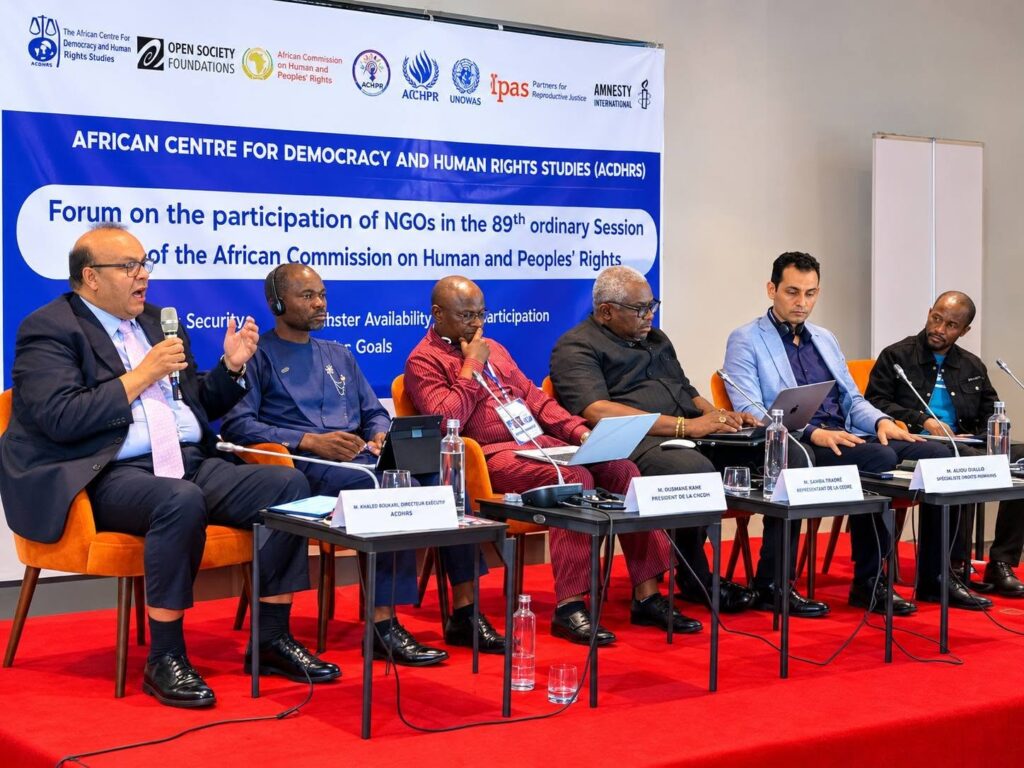
Event: Forum on the Participation of NGOs in the 89th Ordinary Session of the African Commission on Human and Peoples’ Rights (ACHPR)
Introduction
The second day of the Forum on the Participation of NGOs in the 89th Ordinary Session of the African Commission on Human and Peoples’ Rights brought together human rights experts, civil society representatives, advocates, legal practitioners and regional and international institutions to examine some of the most pressing human rights challenges facing Africa.
Discussions covered economic, social and cultural rights during armed conflict, the disproportionate effects of climate change on persons with albinism and persons with disabilities, strategic litigation in addressing gender-based violence, the shrinking of civic space, digital rights and youth participation, emerging threats to human rights defenders in the Sahel, and the evolving armed conflict in Sudan.
Across the sessions, participants stressed the need to move beyond the adoption of legal instruments and recommendations towards practical implementation, stronger accountability, inclusive policymaking and effective protection for affected communities.
Panel 3: Awareness Raising Towards the General Comment on Economic, Social and Cultural Rights in the Context of Armed Conflict
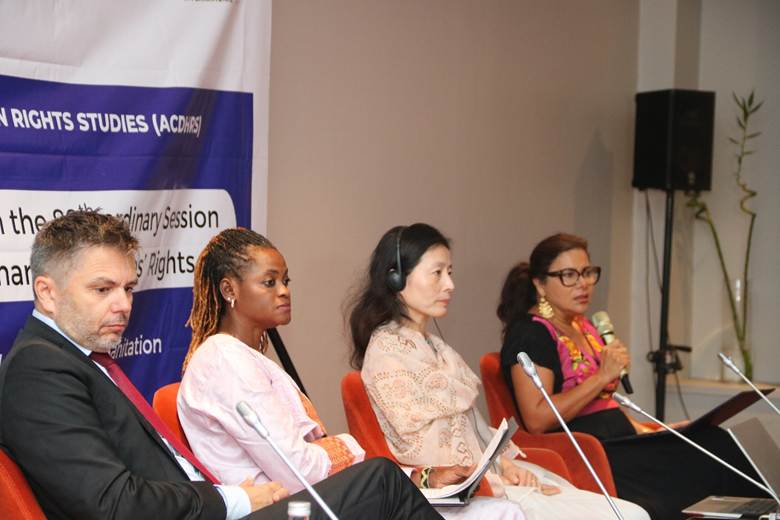
The panel examined the importance of clarifying and strengthening the protection of economic, social and cultural rights during armed conflict. Discussions highlighted how conflict intensifies displacement, forced evictions, insecurity of land tenure and barriers to essential services, particularly for women, widows and other vulnerable groups.
Participants stressed that the protection of these rights cannot be suspended simply because a country is experiencing conflict. States retain human rights obligations, including in circumstances where their effective control over a territory is limited. The discussion also emphasised the importance of protecting people’s access to housing, land, healthcare and other essential services, alongside addressing the loss of property and the need for remedies and reparations.
The proposed General Comment was discussed as an opportunity to provide practical guidance to states and other actors on fulfilling economic, social and cultural rights during armed conflict. Participants underscored the need to connect humanitarian assistance with longer-term development and peacebuilding, while ensuring that civil society organisations and affected communities are involved in shaping responses.
The discussion pointed to the importance of preventing forced evictions, supporting the recovery of land and property, improving access to essential services and strengthening accountability for violations. Participants also highlighted the need for adequate financing and stronger partnerships to ensure that commitments translate into meaningful protection on the ground.
Panel 4: Invisible in the Climate Crisis: The Impact of Climate Change on the Human Rights of Persons with Albinism and Disabilities in Africa
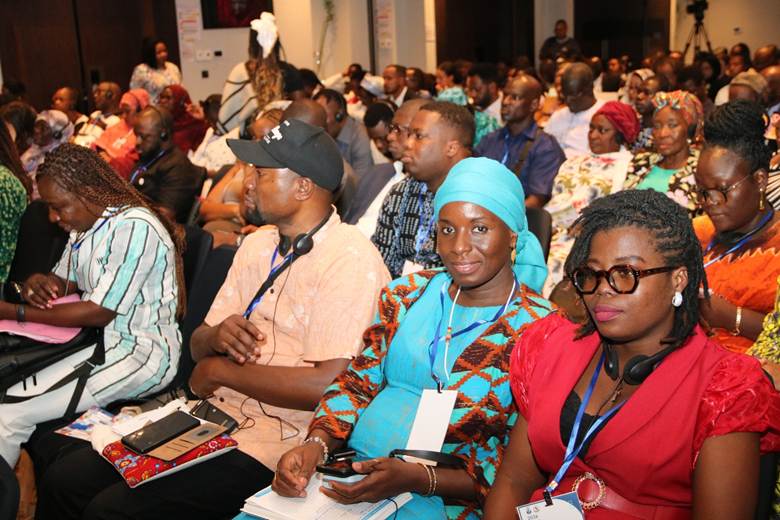
This panel examined how climate change affects persons with albinism and persons with disabilities in ways that are often overlooked in climate policy and emergency planning. Participants explained that rising temperatures, intense sunlight and extreme weather events can deepen existing inequalities and expose already marginalised groups to additional health and protection risks.
For persons with albinism, prolonged exposure to ultraviolet radiation and extreme heat can increase the risk of serious skin conditions. The discussion highlighted the challenges faced by people who must work outdoors or travel long distances to obtain water and other necessities. An example from rural Kenya illustrated the scale of the problem: an outreach involving 56 families identified 16 people with skin cancer at different stages.
The panel also highlighted barriers confronting persons with disabilities, including inaccessible early-warning systems, evacuation arrangements, healthcare facilities, water supplies and sanitation services. Participants stressed that climate adaptation and disaster response plans must account for different needs rather than treating persons with disabilities and persons with albinism as an afterthought.
The discussion highlighted the importance of accessible climate information, affordable sunscreen, regular skin cancer screening, inclusive health services and stronger national policies supported by adequate budgets. Participants also discussed the significance of the World Health Organization’s inclusion of sunscreen on its Model List of Essential Medicines in 2025, while stressing that this must translate into practical access and affordability at the national level.
The panel called for more reliable data, inclusive policymaking and meaningful participation by affected communities in designing climate responses. Its central message was that climate justice must include the rights, safety and dignity of persons with albinism and persons with disabilities.
Panel 5: Combating Gender-Based Violence Differently: Experiences That Can Be Shared Through Strategic Litigation and Generational Succession
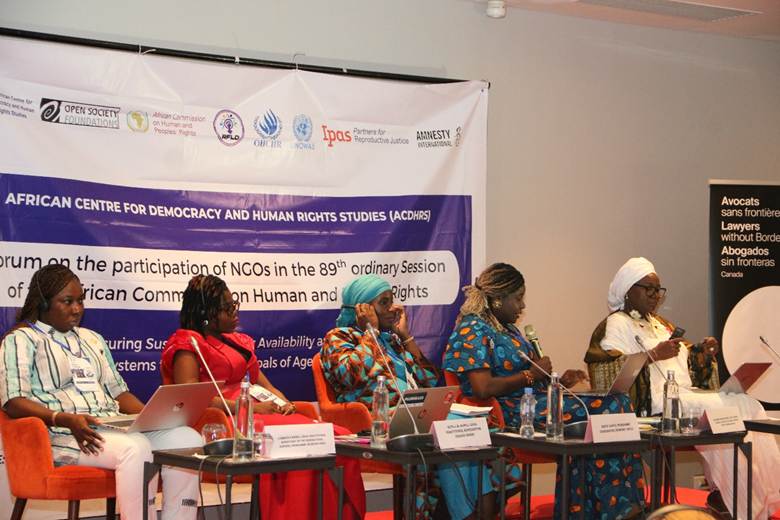
The panel explored how strategic litigation and generational succession can strengthen efforts to combat gender-based violence (GBV) and secure lasting improvements in the protection of women and girls.
Participants explained that strategic litigation is not simply about winning individual cases. It can also challenge discriminatory practices, expose gaps in legal protection and encourage changes in laws, policies and institutional behaviour. However, successful litigation requires careful case selection, credible evidence, legal viability, an assessment of potential impact and consideration of the safety of survivors and the resources available to support proceedings.
A central theme was the need to place survivors at the centre of the process. Legal action must be trauma-informed and guided by the principle of doing no harm. Survivors should retain control over decisions concerning their cases, including the ability to withdraw. Participants also highlighted the risks of reprisals, lengthy judicial proceedings, limited access to legal aid and the additional barriers faced by survivors in conflict-affected settings.
Experiences shared during the panel illustrated the value of cooperation between civil society organisations, lawyers and support services. In Benin, partnerships have helped provide legal representation, psychological support and community awareness, while cases have contributed to judicial responses to issues including obstetric violence, forced marriage and rape of minors.
The discussion further emphasised the importance of transferring knowledge and experience to younger legal practitioners and advocates. Generational succession can help sustain human rights work, expand the pool of skilled advocates and ensure that lessons learned from previous cases inform future strategies.
The panel underscored that strategic litigation should be accompanied by survivor support, community engagement, legal reform and institutional accountability to produce meaningful and lasting change.
Panel 6: Shrinking Civic Space in Africa: Protecting Freedom of Expression, Association and Assembly
The panel examined the continuing restrictions on civic space across Africa and the consequences for journalists, human rights defenders, civil society organisations, lawyers, bloggers, women activists and young people.
Participants discussed how restrictions on public demonstrations, association and independent expression can undermine democratic participation and weaken the ability of citizens to hold public institutions accountable. Administrative requirements, restrictions on gatherings, intimidation and other forms of pressure can prevent civil society organisations from operating freely and limit the space available for public debate.
The discussion highlighted the gap between commitments made by states and the implementation of recommendations issued by African human rights mechanisms. Participants stressed that repeatedly documenting violations is not enough unless findings lead to preventive action, protection for those at risk, accountability for perpetrators and measurable improvements in civic freedoms.
The panel also explored the difficulties surrounding the exercise of freedom of assembly, including the use of authorisation or notification procedures to obstruct demonstrations and the imposition of restrictive conditions on when and where people can gather. These practices can weaken the practical enjoyment of rights even where national constitutions and laws formally recognise them.
Participants called for stronger monitoring, more effective follow-up to human rights recommendations and greater coordination between civil society organisations and regional mechanisms. They stressed that protecting civic space requires governments to respect their obligations, independent institutions to act effectively and human rights defenders to be able to carry out their work without fear of reprisals.
Panel 7: Digital Rights and Youth Participation at the Crossroads of Three African Union Conventions
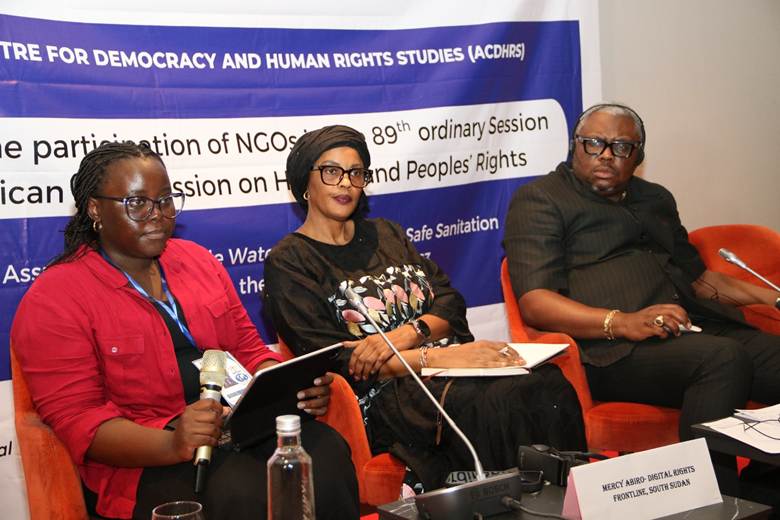
This panel considered the relationship between digital rights, youth participation and three African Union instruments: the African Charter on Democracy, Elections and Governance; the African Youth Charter; and the African Union Convention on Cyber Security and Personal Data Protection, also known as the Malabo Convention.
Participants highlighted the growing importance of digital platforms in political participation, civic engagement, access to information and youth mobilisation. At the same time, digital spaces can expose citizens to surveillance, privacy violations, cybercrime laws that restrict legitimate expression and other threats to fundamental freedoms.
The discussion drew attention to the need for a balanced legal framework that protects individuals while addressing legitimate cybersecurity concerns. An example from South Sudan highlighted the risks of enforcing cybercrime and computer-misuse legislation without a corresponding comprehensive data-protection law. Such an imbalance can give authorities extensive powers while leaving citizens without adequate safeguards for their personal information.
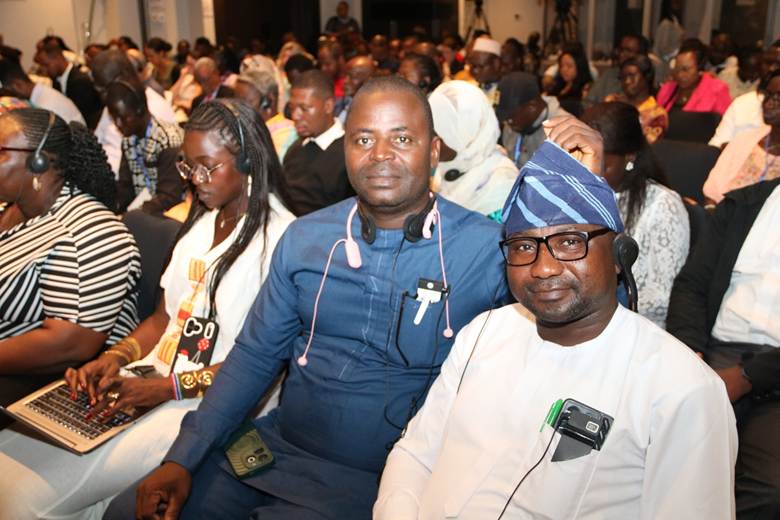
The panel stressed that ratifying regional instruments is only the first step. States must also incorporate their provisions into domestic law, establish adequately resourced and independent regulatory institutions, strengthen judicial understanding of digital rights and ensure meaningful youth participation in policymaking.
Civil society organisations were encouraged to monitor the digital environment, particularly during elections, and document how online restrictions affect democratic participation. Participants emphasised that young people must not be treated solely as users of digital technologies but as active contributors to decisions about digital governance and the protection of fundamental rights.
Panel 8: Emerging Challenges for Human Rights Defenders in the Sahel
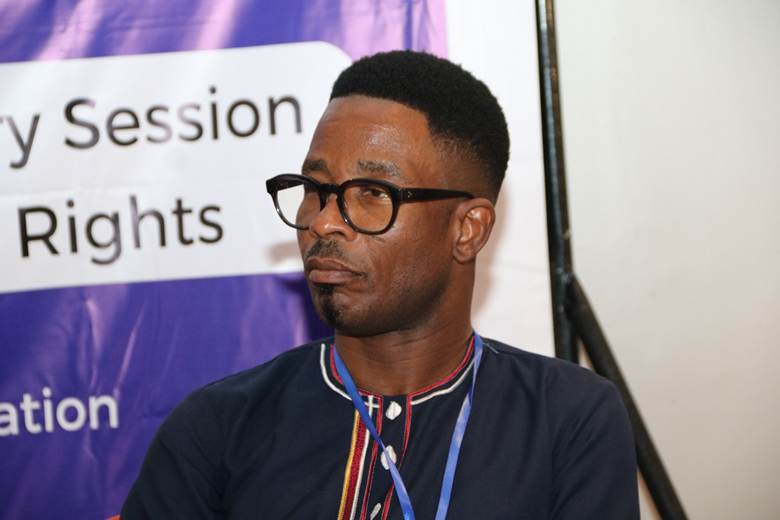
The panel examined the growing risks facing human rights defenders, journalists and civil society organisations in the Sahel, particularly in Burkina Faso, Mali and Niger. Participants situated these challenges within a broader environment of insecurity, military takeovers, restrictions on political activity and shrinking civic space.
The discussion highlighted reports of intimidation, detention, enforced disappearances, threats against activists, restrictions on independent media and pressure on organisations working to document violations. Participants noted that these conditions make it increasingly difficult for defenders to operate openly, monitor abuses and engage with national and regional institutions.
The panel also addressed the particular vulnerability of defenders who face threats because of their work or public profile. The need for protection, solidarity, secure documentation and support for defenders at risk was emphasised. Participants stressed that the inability to monitor a situation directly should not result in silence or the loss of reliable information about human rights violations.
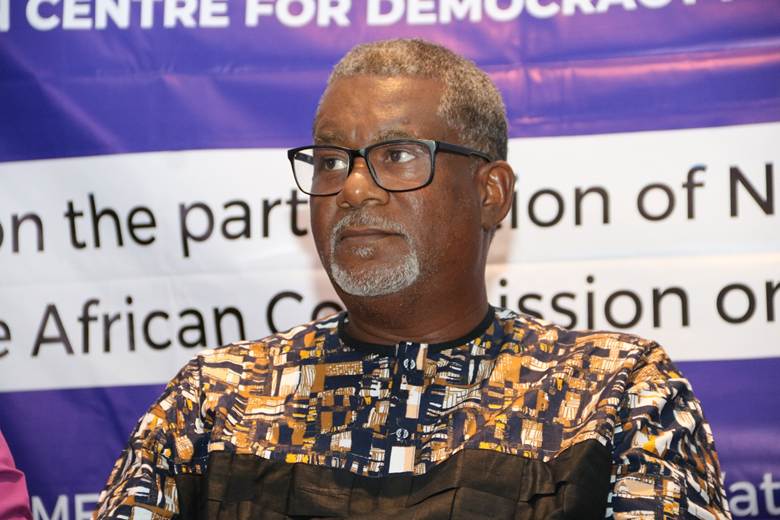
Strengthening networks for documentation, analysis and public reporting was identified as an important response. Such networks can help preserve evidence, connect organisations and ensure that information about abuses reaches relevant regional and international mechanisms.
A key proposal emerging from the discussion was for the NGO Forum to consider adopting a resolution expressing solidarity with human rights defenders and activists in West Africa, particularly those working in the central Sahel. Participants stressed that regional solidarity must be accompanied by practical protection measures and sustained advocacy.
Panel 9: New Dynamics of the Armed Conflict in Sudan
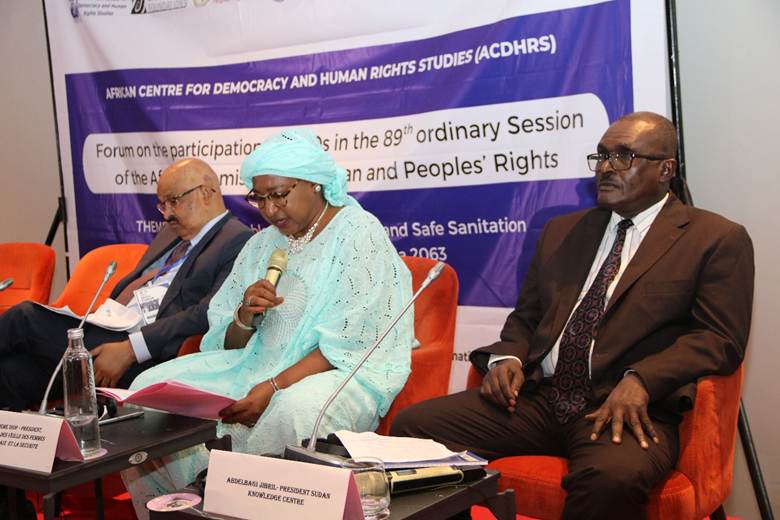
The panel focused on the evolving armed conflict in Sudan and the role of civil society in advancing peace, accountability and the protection of the Sudanese population.
In introducing the discussion, the moderator highlighted efforts to strengthen coordination among Sudanese and international civil society actors. An expert workshop held in Nairobi in August 2026 produced the Nairobi Declaration and contributed to the establishment of a Sudanese civil society consortium. The consortium was described as a platform intended to improve coordination and collective advocacy among Sudanese civil society organisations and their partners.
The discussion also referred to advocacy efforts at the international level, including engagement in Geneva and work involving the United Nations fact-finding process on Sudan. These efforts reflect the importance of connecting civil society documentation and advocacy with regional and international mechanisms that can support accountability and protection.
The session placed emphasis on the need for stronger cooperation among civil society organisations, sustained engagement with international institutions and a coordinated approach to peace and human rights advocacy. It also underscored the importance of ensuring that the experiences and priorities of Sudanese communities remain central to responses to the conflict.
The available transcript captures the introduction and the beginning of the panel but does not contain the complete presentations. Accordingly, this section summarises the documented context and should not be read as a full account of every panelist’s contribution or the panel’s final recommendations.
Cross-Cutting Themes and Key Messages
Across the documented sessions, several common priorities emerged.
First, implementation must follow commitments. Participants repeatedly highlighted the gap between the adoption of human rights standards and their practical application. States and institutions were urged to strengthen implementation, accountability and follow-up.
Second, affected communities must be included. Whether addressing climate change, gender-based violence, digital rights or armed conflict, the discussions stressed the importance of listening to those directly affected and ensuring their participation in decisions.
Third, protection must be practical and accessible. Human rights commitments need to translate into accessible healthcare, legal assistance, effective remedies, safe civic participation and protection for people facing threats.
Fourth, civil society plays an essential role. NGOs and human rights defenders contribute to documentation, public awareness, advocacy, legal support and monitoring. Their work depends on a civic environment in which they can operate independently and safely.
Fifth, regional and international mechanisms require stronger follow-up. Participants called for better coordination between civil society and human rights institutions, along with stronger monitoring of state compliance and the implementation of recommendations.
Finally, inclusion must be built into policy and practice. Women, young people, persons with disabilities, persons with albinism and communities facing discrimination must be meaningfully included in the design and implementation of policies that affect their rights.
Conclusion
The second day of the NGOs Forum highlighted the interconnected nature of Africa’s human rights challenges. From the impact of armed conflict on economic and social rights to climate vulnerability, gender-based violence, digital freedoms and threats to human rights defenders, the discussions demonstrated that legal recognition alone cannot guarantee protection.
Participants emphasised the need for stronger implementation, survivor-centred approaches, inclusive policymaking, civil society solidarity and effective accountability. The sessions also reinforced the importance of African human rights mechanisms in translating regional standards into tangible improvements in people’s lives.
As the Forum continued, the discussions provided a basis for further recommendations and collective advocacy aimed at strengthening human rights, democratic participation and protection across the continent.
