10 October 2026 | Pullman Dakar Teranga Hotel, Dakar, Senegal
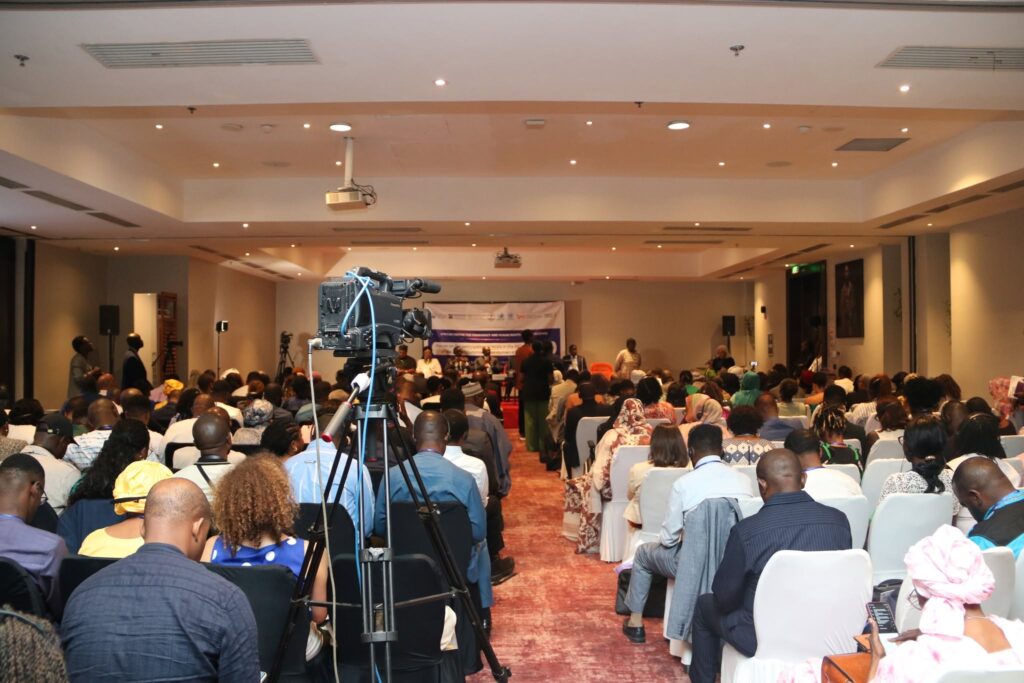
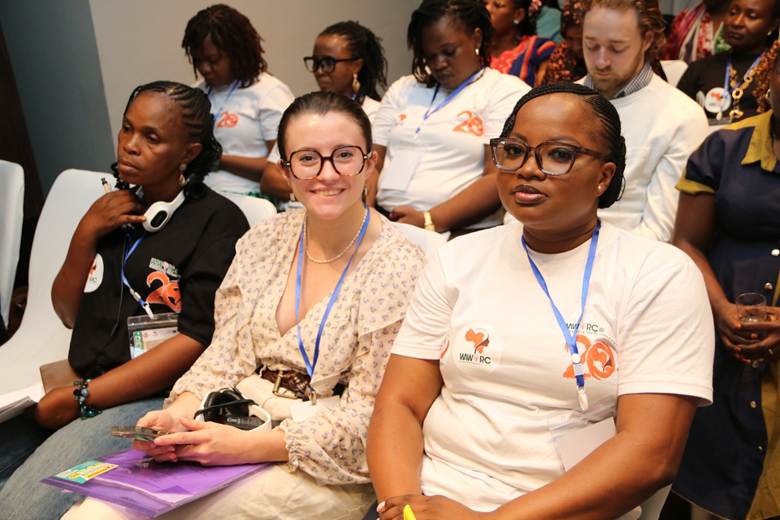
The third and final day of the Forum of NGOs participating in the 89th Ordinary Session of the African Commission on Human and Peoples’ Rights (ACHPR) brought together human rights defenders, civil society organisations, legal experts and other stakeholders for discussions on the protection of human rights in Africa. The day featured presentations of recommendations from special interest groups, thematic panel discussions, reflections on the achievements and challenges of the African human rights system, and the closing ceremony.
The deliberations placed particular emphasis on the relationship between access to water and sanitation, human dignity, equality, environmental protection and democratic participation. Participants also examined the growing threats facing human rights defenders, including transnational repression, restrictive laws, intimidation and reprisals.
The day concluded with renewed calls for stronger cooperation between civil society and the African Commission, the adoption of practical recommendations and resolutions, and sustained action to translate the outcomes of the Forum into meaningful improvements in the lives of African communities.
- Presentation of Special Interest Groups’ Recommendations
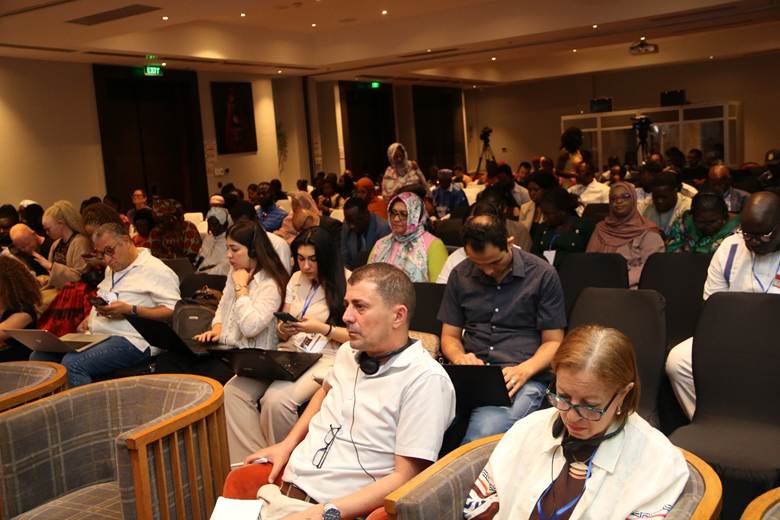
The morning session, moderated by Marcel Eppie, provided an opportunity for special interest groups to present their findings and recommendations on the challenges confronting different communities across Africa. The discussion encouraged participants to formulate recommendations that identify the responsible institutions, establish clear priorities and, where possible, include measurable targets and timelines.
The presentations highlighted how water insecurity, inadequate sanitation, environmental degradation, conflict and discrimination intersect with the enjoyment of fundamental rights.
Peacebuilding, conflict resolution and armed conflict
The first group examined the relationship between access to water, peace and security. Participants stressed that water is not merely a development concern but also a critical factor in conflict prevention and resolution.
Discussions highlighted how competition over shared water resources, unilateral decisions concerning transboundary rivers, armed conflicts and climate change can intensify tensions between states and communities. The consequences are particularly severe for internally displaced persons, women, agricultural communities and people living in conflict-affected areas.
The group called for stronger water diplomacy, accountability in the management of water resources, and cooperation between African states sharing transboundary water systems. It also recommended that states report on access to water in conflict-affected areas through their periodic reports to the African Commission.
Participants further called for stronger collaboration between the African Union, the African Commission, the United Nations and civil society organisations to protect the right to water and address conflicts arising from the management of shared resources.
Migration, internally displaced persons and refugees
The group on migration, internally displaced persons and refugees highlighted the difficulties displaced populations face in accessing safe drinking water and adequate sanitation.
Participants emphasised that displacement should not become a basis for discrimination in the delivery of essential public services. Refugees, asylum seekers and internally displaced persons must be included in national water, sanitation and hygiene policies, infrastructure plans and public service delivery systems.
The group recommended investment in sustainable water infrastructure serving both displaced and host communities, particularly in arid and semi-arid regions. It also called for safe, accessible and affordable water points and sanitation facilities that respond to the needs of women, girls, children, older persons and persons with disabilities.
States were urged to strengthen climate-resilient water management strategies and ensure that displaced people and host communities participate meaningfully in the planning, implementation and monitoring of water programmes.
Freedom of assembly, association and human rights defenders
The group examining freedom of assembly and association explored how inadequate water and sanitation services affect civic participation and the work of human rights defenders.
Participants noted that communities experiencing water shortages often organise to demand their rights and hold public authorities accountable. Human rights defenders play an important role in documenting violations, raising awareness and advocating for improved services. However, their work can expose them to intimidation, harassment and reprisals.
The group recommended that states guarantee access to water during crises, protect peaceful demonstrations and ensure that water provision is not politicised. It also called for the inclusion of human rights defenders in the formulation and implementation of public policies on water and sanitation.
Specific proposals included strengthening national protection mechanisms for human rights defenders by 2028, establishing inclusive public consultation mechanisms, publishing water and sanitation budgets and project implementation reports, and creating accessible, independent complaint mechanisms.
The African Commission was urged to monitor civil liberties and the protection of human rights defenders when assessing states’ obligations concerning water and sanitation.
Environmental protection, climate justice and ecocide
The group on environmental justice examined how mining, fossil fuel extraction, deforestation, industrial pollution and unsustainable resource management undermine access to clean water, food, healthcare, land and livelihoods.
Country experiences from Sierra Leone, Zambia, Chad, Mauritania and the Sahrawi Arab Democratic Republic illustrated the human rights consequences of environmental degradation and natural resource exploitation.
Participants emphasised the need to strengthen the implementation of Article 24 of the African Charter on Human and Peoples’ Rights, which recognises the right of all peoples to a generally satisfactory environment favourable to their development.
The recommendations called for stronger enforcement of environmental laws, credible environmental and human rights impact assessments, access to environmental information, and effective remedies for affected communities. Participants also called for stronger protection of environmental human rights defenders against intimidation, surveillance and reprisals.
The group encouraged the African Commission to support efforts towards an advisory opinion on the obligations of African states concerning environmental protection, and urged companies and investors to conduct robust environmental and human rights due diligence.
Communities discriminated against on the basis of work and descent
The group highlighted how inherited social status, occupational stigma, segregation and structural discrimination can prevent marginalised communities from accessing water and sanitation, even where services are available.
Participants identified unequal public investment, affordability, limited consultation, gender-based barriers and weak accountability as major concerns.
The recommendations called on the African Commission, the African Union, states and development partners to recognise and address the specific challenges facing these communities. They also advocated equitable public investment, meaningful participation, better data collection, stronger accountability and access to justice.
Community-led monitoring and advocacy were identified as essential to ensuring that people affected by discrimination are not excluded from water and sanitation services.
Torture, prisons and places of detention
The group on torture and detention facilities stressed that access to safe water, sanitation and healthcare is particularly important for people deprived of their liberty.
It called on states to prevent torture and ill-treatment in prisons, police cells, military detention facilities, migration detention centres and other places of detention. Recommendations included strengthening independent national preventive mechanisms, facilitating access for independent monitoring bodies and civil society organisations, and addressing overcrowding, inadequate healthcare and unsafe detention conditions.
Participants also called for improved detention records, access to lawyers and independent medical examinations, confidential complaint mechanisms, protection against reprisals and accountability for torture, ill-treatment and deaths in custody.
The group emphasised the need to strengthen rehabilitation services for torture survivors and improve the technical capacity of NGOs to document violations, preserve evidence and engage with oversight mechanisms.
Indigenous peoples
The group on indigenous peoples examined the links between climate change, environmental degradation, conflict, displacement and access to water and sanitation.
Participants raised concerns about forced evictions from ancestral lands, the loss of traditional livelihoods, and displacement to areas where indigenous communities lack access to familiar ecosystems and essential resources.
The recommendations called for recognition of indigenous knowledge in environmental protection, restitution of lands taken without free, prior and informed consent, and an end to evictions carried out in the name of conservation.
The group also urged states to protect indigenous women and girls, improve access to justice and social services, and address the root causes of climate change without placing the burden on communities that have contributed least to the problem.
Recommendations on Enforced Disappearances in Africa
Participants at the NGOs Forum presented thematic recommendations addressing the persistent and often underreported problem of enforced disappearances across Africa. The recommendations highlighted the occurrence of disappearances in contexts including elections, armed conflicts, migration, counter-terrorism operations and transnational repression targeting human rights defenders.
The group called on African states to ratify the International Convention for the Protection of All Persons from Enforced Disappearance without reservations, criminalise enforced disappearance as a distinct and non-prescriptible offence, and guarantee victims’ families the rights to truth, justice and reparation. It also urged states to protect associations of families of disappeared persons and end restrictions on their activities.
To strengthen regional responses, participants proposed establishing a permanent Special Interest Group on enforced disappearances within the NGOs Forum, adopting a dedicated resolution on the issue by the African Commission, and strengthening the mandates and resources of relevant working groups. The recommendations emphasised the importance of stronger cooperation between African and United Nations human rights mechanisms, in line with the Addis Ababa Roadmap, to improve prevention, accountability and protection for victims and their families.
Key reflections from the special interest groups
The presentations reinforced the principle that access to water and sanitation is inseparable from equality, dignity, participation and accountability. Participants also stressed that women should be recognised not only as the people most affected by water insecurity but also as engineers, technical professionals and leaders in water governance.
A further concern was the need to make recommendations more specific by identifying the institutions responsible for implementation, establishing timelines and creating mechanisms to monitor progress.
The discussions also highlighted the importance of maintaining a balanced, human rights-based approach to transboundary water disputes, ensuring that recommendations are grounded in universal rights rather than political positions.
Panel 10: Civic Space and Cross-Border Challenges in Central Africa
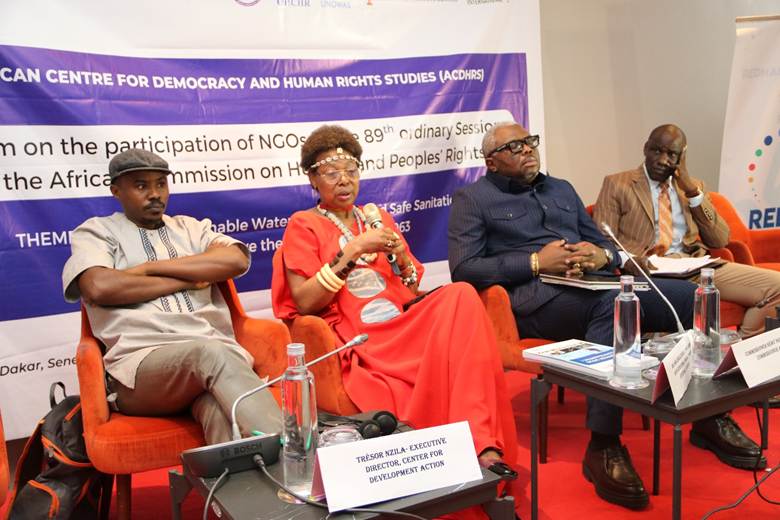
The panel on Civic Space and Cross-Border Challenges in Central Africa examined how restrictive laws, security operations, political repression and cross-border movements affect the ability of human rights defenders and civil society organisations to operate freely. Moderated by Joseph Bikanda of African Defenders, the discussion featured contributions from Trezo(r) Nzila of the Action Centre for Development in the Republic of Congo, Maximilien Ngombe of REDACT, and Hon. Commissioner Rémy Ngoi Lumbu, the Special Rapporteur on Human Rights Defenders and focal point on reprisals and freedom of association and assembly at the African Commission on Human and Peoples’ Rights.
The panel highlighted that cross-border challenges are not limited to migration, trade and security. They can directly undermine civic space when border controls, security measures and political tensions restrict the movement of human rights defenders, journalists and civil society organisations. Such restrictions prevent organisations from reaching communities, conducting investigations, documenting violations and coordinating advocacy across national borders.
Drawing on the experience of Central Africa, Trezo(r) Nzila explained that security operations can be used to justify measures that undermine fundamental freedoms. He cited the operation known as Mbatha Yabakolo in the Republic of Congo, which involved the mass return of Congolese refugees from the Democratic Republic of Congo. Activists who documented and challenged the operation were reportedly labelled enemies of the state, illustrating how human rights work can expose defenders to intimidation and reprisals.
Maximilien emphasised that countries across Central Africa face interconnected challenges because communities, languages, conflicts and livelihoods frequently extend across borders. Human rights defenders working on issues such as migration, pastoralism, climate change and displacement may experience similar restrictions in neighbouring countries. The discussion also noted that civic space can be restricted by both state authorities and armed groups, leaving communities and defenders exposed to multiple sources of pressure.
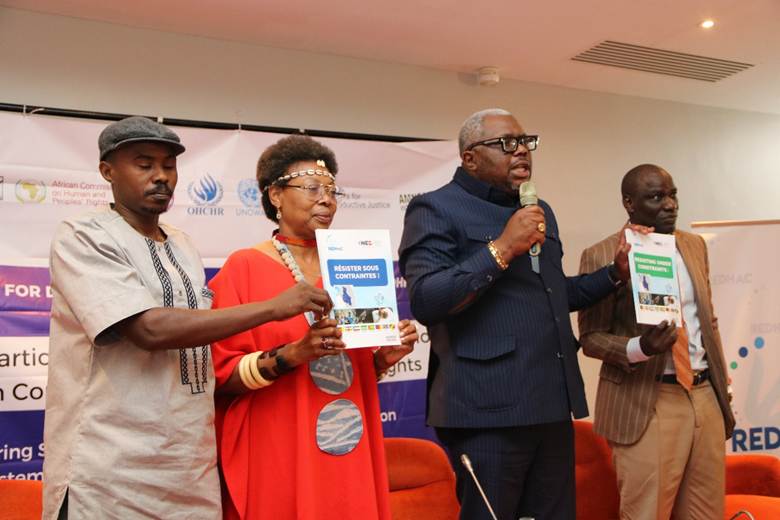
Participants raised concerns about the limited legal and institutional protections available to human rights defenders operating across borders. In some cases, protection depends heavily on the assistance of lawyers, civil society partners and organisations willing to provide temporary shelter, food and other essential support. Participants also highlighted the vulnerability of journalists, political refugees and activists facing expulsion, arbitrary arrest, detention, restrictions on nationality and other forms of transnational repression.
The intervention of Commissioner Rémy Ngoi Lumbu underscored the need for stronger engagement by the African Commission and greater efforts to address the structural challenges facing civil society. Participants called for the Commission to strengthen its protective role, engage governments through dialogue, and help establish
Recommendations
1. Strengthen regional cooperation among human rights organisations and civil society actors to coordinate cross-border protection, information sharing and joint advocacy.
2. Establish effective protection mechanisms to provide legal assistance, emergency shelter and other essential support for human rights defenders, journalists and activists facing threats, arbitrary arrest, expulsion or transnational repression.
3. Ensure respect for human rights during security operations by preventing the misuse of security measures, border controls and migration policies to restrict civic space, intimidate activists or suppress legitimate human rights work.
4. Enhance the role of the African Commission on Human and Peoples’ Rights in monitoring violations, engaging concerned governments, investigating reprisals against human rights defenders and ensuring accountability for abuses.
- Panel 12: From Restrictive Laws to Transnational Repression — Protecting Human Rights Defenders in Africa
The panel examined the growing challenges facing human rights defenders whose work exposes them to threats, intimidation and repression extending beyond their countries of origin.
Participants discussed how restrictive laws, criminalisation, surveillance and reprisals can be used to silence human rights defenders and limit their engagement with regional and international human rights mechanisms.
A central concern was that crossing an international border does not necessarily guarantee safety. Human rights defenders, refugees, asylum seekers, political opponents, their families, colleagues, lawyers and civil society organisations may continue to face threats even after leaving the country where the persecution originated.
The discussion emphasised that transnational repression presents a challenge to conventional approaches to human rights protection because the threats may involve multiple jurisdictions and actors. States must not be allowed to evade their human rights obligations by facilitating, outsourcing or benefiting from acts of repression beyond their borders.
Recommendations and proposed actions
The panel called for:
- A dedicated African Commission resolution on transnational repression to recognise it as a distinct and growing human rights challenge on the continent.
- A joint task force on transnational repression, bringing together relevant African Commission special mechanisms and United Nations human rights mechanisms to improve coordination, protection and accountability.
- Stronger cooperation between African and international human rights mechanisms to address cross-border threats, reprisals and intimidation.
- Greater protection for human rights defenders who engage with regional and international human rights institutions.
- Continued documentation of cases, sharing of information and coordinated advocacy to ensure that affected defenders receive appropriate support.
- Improved access for international human rights mechanisms to territories where defenders face repression and where monitoring remains difficult.
The discussion also highlighted the need to use existing human rights procedures, including relevant United Nations special procedures, to document and address violations.
The panel concluded that when repression crosses borders, protection and accountability must also cross borders. Regional and international institutions must work together to ensure that human rights defenders do not lose access to protection simply because their cases extend beyond one country.
- Panel 13: Corruption, Water and Sanitation in Africa — Expanding the Frontiers of Strategic Litigation to Protect Access to Water and Sanitation
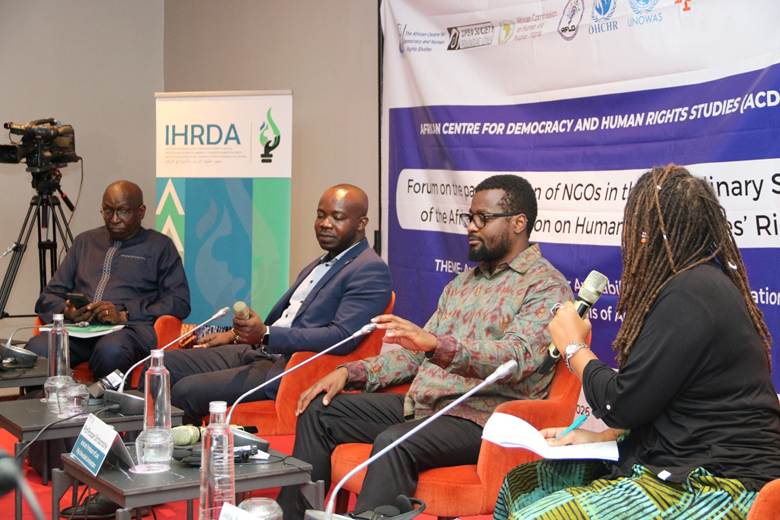
The panel, moderated by Maimouna Jalloh, Communication and Publications Manager at the Institute for Human Rights and Development in Africa (IHRDA), brought together legal experts to examine how corruption undermines access to water and sanitation and how strategic litigation can strengthen accountability.
The discussion also marked the launch of a report authored by Professor Simbarashe Maguchu on corruption, human rights and accountability.
Participants were reminded that corruption is not simply a matter of stolen public funds or financial misconduct. Its consequences are felt directly by communities when resources intended for essential services are diverted, infrastructure is poorly constructed, public projects are abandoned or sanitation systems are inadequately maintained.
The recent flooding in Dakar provided a practical illustration of how inadequate drainage, poor waste management, weak infrastructure and failures in public expenditure can worsen the effects of natural hazards.
The panel therefore examined a fundamental question: when corruption deprives people of access to safe water and sanitation, how can it be addressed as a human rights violation?
Strategic litigation as a tool for accountability
The discussion highlighted the importance of using national, regional and continental legal mechanisms to challenge corruption-related violations and seek effective remedies.
Strategic litigation can help establish legal responsibility, clarify states’ obligations, expose failures in public service delivery and strengthen the protection of economic and social rights.
Participants considered the importance of connecting evidence of corruption and mismanagement with the real consequences for affected communities. This includes examining whether public resources allocated to water and sanitation projects are properly used, whether infrastructure meets required standards, and whether communities have access to effective remedies when their rights are violated.
The panel also emphasised the importance of documenting violations and building strong legal arguments that connect failures in governance with the denial of fundamental rights.
Key messages
The discussion reinforced the following priorities:
- Strengthen transparency and accountability in the allocation and use of public funds for water and sanitation.
- Improve monitoring of public infrastructure projects and investigate failures that compromise access to essential services.
- Use strategic litigation to pursue accountability and remedies where corruption contributes to human rights violations.
- Strengthen the capacity of civil society organisations and human rights lawyers to document cases and engage national and regional courts.
- Ensure that communities affected by inadequate water and sanitation services can access justice and participate in decisions concerning public services.
The panel reaffirmed that access to safe water and sanitation is a human rights issue, and that corruption, discrimination and weak accountability must be addressed if states are to fulfil their obligations under the African human rights framework.
- Adoption of Recommendations and Resolutions
One of the most important components of the Forum was the consideration of recommendations and resolutions developed during the three days of deliberations.
The process was intended to consolidate the concerns raised by participants into a set of proposals that could inform the work of the African Commission on Human and Peoples’ Rights and support advocacy at national, regional and continental levels.
The Forum’s closing proceedings indicated that the resolutions and recommendations had been prepared for consideration, with the Steering Committee serving through its resolutions committee.
The announced package comprised:
3 country resolutions
Draft resolutions concerning country-specific human rights issues.
9 thematic resolutions
Resolutions addressing broader human rights themes and challenges.
3 thematic recommendations
Recommendations intended to inform the work of the African Commission.
The discussions underscored the importance of ensuring that recommendations are clear, actionable and directed to the institutions responsible for implementation. Participants stressed that proposals should identify the relevant duty-bearers, specify the actions required and establish appropriate follow-up mechanisms.
The recommendations were expected to support engagement with the African Commission during its 89th Ordinary Session and strengthen the connection between civil society advocacy and continental human rights processes.
- Closing Ceremony: Renewing Commitment to Human Rights and Collective Action
The closing ceremony brought together representatives of ACDHRS, the NGO Forum Steering Committee, civil society organisations, the Senegalese host community and the African Commission.
Speakers reflected on the three days of discussions, expressed appreciation to the organisers and partners, and called for continued cooperation to advance human rights across Africa.
Reflections from the ACDHRS Governing Council
Hon. Teneng Mba Jaiteh, a member of the ACDHRS Governing Council, described the Forum as an important opportunity to examine the human rights situation in Africa and strengthen collective responses to violations.
She highlighted the central themes of the discussions, including shrinking civic space, restrictions on human rights defenders, democratic governance, women’s and girls’ rights, digital transformation, water security, sanitation and climate justice.
She stressed the importance of solidarity among human rights defenders, noting that attacks against one defender affect the wider community.
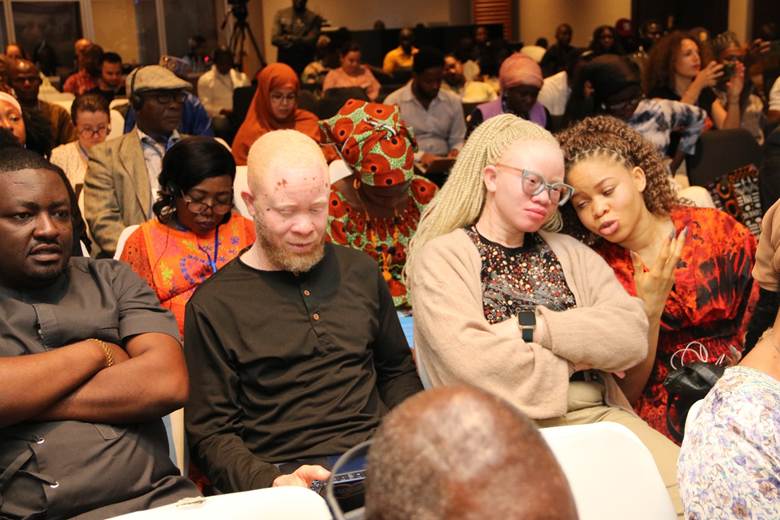
Her remarks also emphasised the need to ensure that vulnerable and marginalised people participate in decisions that affect their lives. This includes women, children, persons with disabilities, people with albinism and communities experiencing discrimination based on work and descent.
She called for the Forum’s recommendations to guide practical action at continental, regional and national levels.
The Steering Committee’s call for continued solidarity
Speaking on behalf of the NGO Forum Steering Committee, Emilio José Manuel reflected on the value of bringing together civil society representatives from different parts of Africa and beyond.
He highlighted the importance of sharing experiences, building relationships and sustaining the connections established during the Forum.
His message reinforced the spirit of solidarity and the need for participants to continue working together beyond Dakar.
Reflections from Amnesty International Senegal
Sidi Gassama, Executive Director of Amnesty International Senegal, welcomed the opportunity to host the Forum in Senegal and highlighted the importance of the gathering for African civil society.
He drew attention to two particularly significant issues: access to safe drinking water and the shrinking of civic space.
His remarks connected the Forum’s discussions to the realities facing communities in Senegal and across Africa, emphasising that the protection of human rights requires sustained advocacy, cooperation and accountability.
The Senegalese legal community’s perspective
Aminata Fall Niang, President of the Association of Senegalese Jurists, emphasised the need to translate the outcomes of the Forum into practical improvements in people’s lives.
She highlighted the disproportionate burden that water collection and inadequate services place on women and girls, affecting their education, livelihoods, health and participation in public life.
She called on states to translate their commitments into concrete measures, accessible services and adequate budgets. She also urged the African Commission, national institutions and partners to maintain dialogue with women’s organisations and support their participation in human rights protection mechanisms.
Civil society organisations, she stressed, must sustain their mobilisation, share information and continue documenting violations beyond the Forum.
Statement from the Gambian Ministry of Justice
Hussein Thomasi, Solicitor General and Legal Secretary of the Ministry of Justice of The Gambia, delivered remarks on behalf of the Gambian Minister of Justice.
He reaffirmed that access to safe water and adequate sanitation is essential to human dignity, equality, public health and the effective enjoyment of human rights.
His remarks highlighted the disproportionate effects of water insecurity on women and girls, children, persons with disabilities, older people and rural communities.
He stressed that governments must ensure that water and sanitation services are physically accessible, affordable and inclusive. Women should be recognised not only as beneficiaries but also as decision-makers, technical professionals and community leaders.
He further emphasised the importance of effective legal frameworks, accessible remedies, accountable institutions and meaningful participation by civil society in monitoring public services.
He called for the outcomes of the Forum to be measured by the practical changes they deliver, rather than by the discussions alone.
Vote of thanks: Sustainability and the future of civil society
Delivering the vote of thanks, Uju Agamu, Executive Director of the Prisoners Rehabilitation and Welfare Action (PRAWA), highlighted the importance of sustaining the relationships and collective commitment strengthened through the NGO Forum.
She called attention to the challenges facing civil society organisations, particularly shrinking civic space and shrinking financial resources.
She urged governments and the private sector to consider how they can support the sustainability of civil society, strengthen organisational capacity and ensure that human rights organisations have the resources needed to continue their work.
Her message was clear: the advancement of human rights requires consistent engagement, resilience, coordination and collective action.
Closing statement from the African Commission
Commissioner Remy Ngoy Lumbu, Special Rapporteur on Human Rights Defenders and focal point on reprisals, delivered the closing statement on behalf of the President of the African Commission.
He reaffirmed the indispensable role of civil society in the African human rights system and commended the Forum for providing a platform through which organisations can share experiences, raise concerns and contribute to the Commission’s work.
He noted that the 40th anniversary of the African Charter on Human and Peoples’ Rights offered an opportunity to reflect on the progress achieved and the work that remains.
The Commissioner stressed that the effective protection of human rights depends on translating regional standards and commitments into national legislation, public policies, institutional practices and accessible remedies.
He also emphasised the importance of protecting civic space and ensuring that human rights defenders can exercise their freedoms of expression, association and peaceful assembly without fear of intimidation or reprisals.
He encouraged participants to continue engaging with the African Commission, present their recommendations with precision and maintain the partnerships established during the Forum.
The Commissioner formally declared the NGO Forum closed, bringing the three-day gathering in Dakar to an end.
6. Key Outcomes and Priorities Emerging from Day Three
The final day’s deliberations and closing reflections highlighted several priorities for future action.
First, water and sanitation must be treated as fundamental human rights. Governments must ensure equitable, affordable, safe and accessible services, particularly for women, children, persons with disabilities, displaced populations and other marginalised communities.
Second, accountability must be strengthened. Public authorities must ensure transparency in water and sanitation expenditure, investigate corruption and mismanagement, and provide effective remedies when rights are violated.
Third, human rights defenders must be protected. The growing challenges of restrictive laws, reprisals, surveillance and transnational repression require stronger national protection systems and closer cooperation between African and international mechanisms.
Fourth, environmental protection must be linked to human rights. States and businesses must address pollution, resource exploitation and climate-related threats while protecting affected communities and environmental defenders.
Fifth, civil society participation must be sustained. NGOs must continue documenting violations, engaging public institutions, strengthening partnerships and monitoring the implementation of recommendations and resolutions.
Finally, the Forum’s recommendations must lead to measurable action. Clear responsibilities, timelines, monitoring mechanisms and sustained institutional engagement will be essential to ensuring that the outcomes of Dakar translate into meaningful progress.
Conclusion
The third day of the 89th ACHPR NGO Forum brought the three-day gathering to a close with a renewed commitment to advancing human rights, democracy, accountability and justice across Africa.
The presentations of special interest groups demonstrated how water insecurity and inadequate sanitation intersect with conflict, displacement, discrimination, environmental degradation and restrictions on civic participation. The thematic panels further highlighted the need to strengthen legal accountability and protect human rights defenders against both domestic and cross-border threats.
The closing ceremony reinforced the importance of solidarity, sustainable civil society engagement and continued cooperation between NGOs and the African Commission on Human and Peoples’ Rights.
As participants departed Dakar, the central message was that the value of the Forum would ultimately depend on what follows: the implementation of its recommendations, the strengthening of human rights protection mechanisms, and the delivery of concrete improvements for the people and communities whose rights remain at risk.
The Forum may have concluded in Dakar, but the collective responsibility to defend human rights, protect civic space and advance justice across Africa continues.
